For twenty years, every working DJ has kept two versions of their life's work. One library for home, one for the booth — and a Friday-night ritual of re-exporting, re-checking, and praying the USB reads on the club's players. This month, that ritual got a real crack in it.
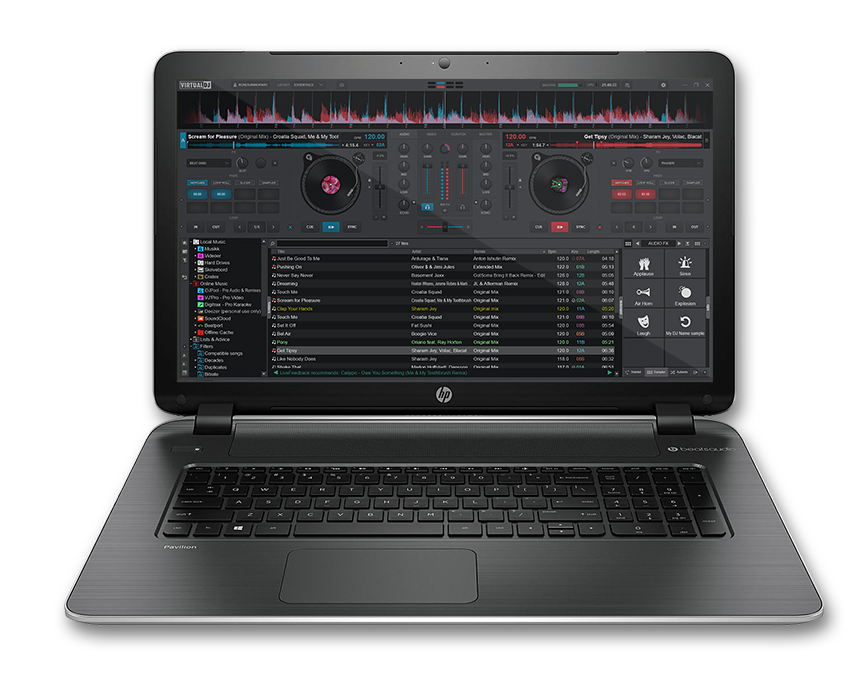
On September 15, VirtualDJ officially joined AlphaTheta's OneLibrary format. If you manage your collection in VirtualDJ, you can now export it to a USB drive in the OneLibrary format and load it straight onto compatible players — playlists, hot cue points, and beatgrid data intact. No conversion. No rebuild.
The Problem Nobody Fixed for Twenty Years
Ask any DJ who works across gear how many hours a month go into library maintenance and watch them sigh. The prep game has looked the same for the last two decades: rekordbox for AlphaTheta and Pioneer DJ players at the club, a separate library in whatever laptop software you actually play on at home — and cue points and beatgrids rebuilt by hand every time you cross the line.
The grind was so real that VirtualDJ's own CDJ Export feature spent years writing rekordbox-readable USB drives from the outside, with nobody's permission, just to get DJs through the night. Digital DJ Tips put it best: VirtualDJ "got there first," but what changed in September is the blessing — VirtualDJ has finally come in from the cold.
What Actually Carries Over
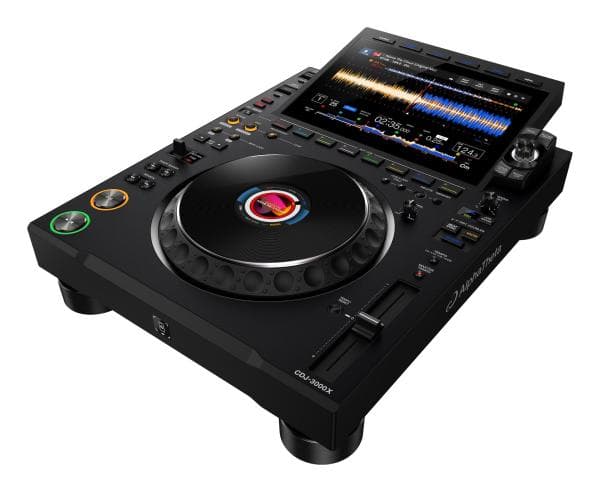
This is the part that matters for your next gig. The OneLibrary export keeps the three things that define how you play: your playlists, hot cue points, and beatgrid data. Export once from VirtualDJ, hand the USB to the soundcheck, and load it on any of the six supported players: the CDJ-3000X, CDJ-1500X, XDJ-AZ, XDJ-AN, OPUS-QUAD, and OMNIS-DUO.
OneLibrary itself launched in October 2025 as a joint effort between AlphaTheta, Algoriddim, and Native Instruments — the first genuine attempt at a shared library format across competing brands. The stated goal was always the same: one library that reads everywhere, instead of a library per ecosystem.
Atomix CEO Stephane Clavel framed it the way DJs have been saying it for years: "DJs shouldn't have to adapt to technology — technology should adapt to DJs." VirtualDJ, which has been around since 1996, made openness its whole pitch — any hardware, any format, any workflow without friction.
What Still Isn't Solved
Don't burn your rekordbox export routine yet. The transition is real but incomplete. Traktor Pro 4 and Traktor Play were announced as OneLibrary partners on day one — nearly a year later, AlphaTheta's own compatibility page still lists Traktor support as coming in the next few months. If you prep in Traktor, your USB still lives in translation.
And AlphaTheta's own guidance is telling: DJs splitting time between rekordbox and VirtualDJ should run rekordbox version 7 or later alongside OneLibrary, which optimizes library management and sync for better stability. Translation: the two systems coexist for now. OneLibrary is a bridge, not a finished house.
What to Do With It This Week
If you play VirtualDJ at home and AlphaTheta gear in the booth, this is a practice night, not a premiere. Build your OneLibrary export this week and run it through a real set at home first — check your hot cues fire where you expect, confirm your grids hold on your tightest mixes, then carry it to soundcheck before you trust it on a paying night.
Keep the old workflow as backup until you've run the new one twice without a hiccup. Format wars end slowly. But for the first time in twenty years, the direction of travel is unmistakable: your library belongs to you, not to your software.
Filed under The Booth, MixShow Prime's DJ-world desk.